Despite significant increases in global population along with greater digital connectivity, the world is reportedly getting lonelier, and more socially isolated.
In Australia, approximately one in three people feel lonely some, if not all of the time, up from one in four since before the COVID-19 pandemic. Older adults and those in regional and remote areas are particularly at risk of social isolation and loneliness, which can lead to serious and complex health complications.
One of the key health risks of poor social connections is dementia, the second leading cause of death in Australia. The World Health Organisation says that loneliness and social isolation increase the risk of developing dementia by a whopping 50 per cent.
To combat this issue, researchers at UNSW Sydney’s Centre for Healthy Brain Ageing (CHeBA) have launched a new online study addressing the role of social engagement in maintaining brain function and wellbeing: Maintaining Social Engagement.
This world-first research, led by social health expert and Clinical Psychologist Dr Suraj Samtani, aims to provide expert support and activities for people over the age of 55 with memory concerns to stay socially engaged – all via videocalls – and with enormous potential benefits.
“Evidence suggests that being socially active reduces risk of dementia by half,” says Dr Samtani. “This is even after taking into account all other risk factors for dementia.”
One in three Australians over the age of 65 live in rural and remote areas of Australia. According to the 2023 Ending Loneliness Together Report, 35 per cent of those people are lonely. These communities face challenges accessing services and experience significant geographic and resource barriers against social activities, all of which have negative health consequences.
“Interacting with friends and family, but especially having a confidante, someone you trust, is a critical factor in not feeling lonely,” says Dr Samtani.
“Social connection for us is a basic human need, just like food and water,” he says.
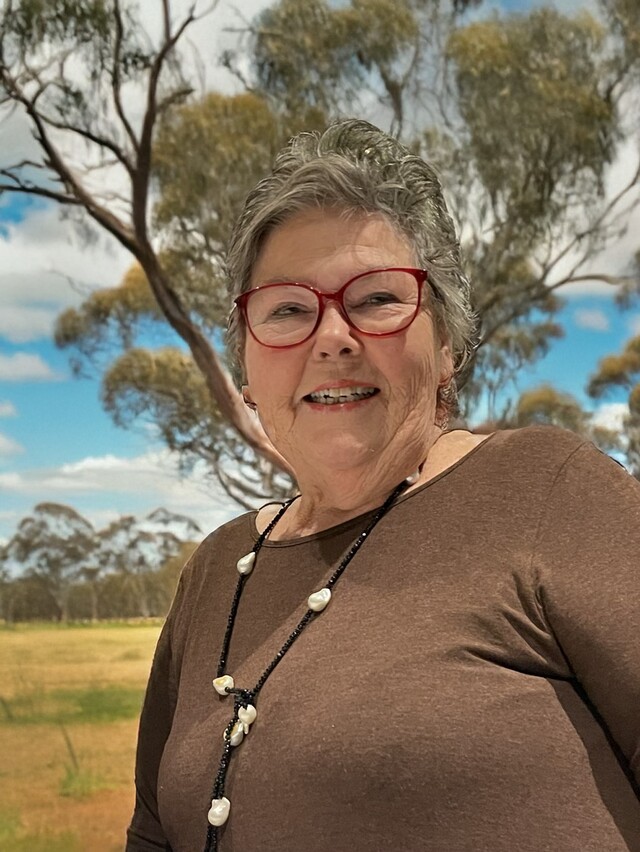
Carolyn Monaghan, who lives in Warrnambool, Victoria, 270km from Melbourne, has been participating in the new study since 1st of March 2024.
“I’ve never participated in research before and I now value social connection more than ever,” says Ms Monaghan.
“Being part of this study group has given me mental stimulation and friendship. It’s made me feel good and I’ve definitely looked forward to the zoom sessions.”
Dr Samtani says it is important to note the difference between social isolation and loneliness.
“Being socially isolated is the physical state of having less interactions with other people. Loneliness is the emotional state of feeling disconnected from the people around us and feeling the need for more rewarding social connections,” he says.
Ms Monaghan had found herself becoming more socially isolated following her father’s vascular dementia diagnosis.
“It’s so easy to end up doing nothing, talking to no one and finding yourself dull and boring,” she says.
According to Dr Samtani, the health risks of social isolation and loneliness are comparable to excessive drinking and daily smoking.
“Loneliness is as bad for our health as smoking 15 cigarettes a day.”
“Being lonely can increase your risk of getting dementia by 26 per cent,” says Dr Samtani.
Conversely, according to the longest happiness study ever conducted, social connectivity can delay the start of physical health conditions by 10-15 years. The Harvard-led study found that our relationships with people have a powerful influence on health, and that close relationships are the key to maintaining happiness throughout our lives.
“Quality relationships protect us from dealing with life’s minor and major troubles on our own,” explains Dr Samtani from the Centre for Healthy Brain Ageing (CHeBA) at UNSW Sydney. “Strong social connections are far more important than just having lots of connections. They help us to prevent or delay health issues – mental and physical.”
Ms Monaghan has found that the research has encouraged her to do more.
“I was starting to think I couldn’t be bothered to go out sometimes and I was worried I was becoming demotivated with life. Being part of this research has encouraged me to go to social groups and say yes to outings because I feel so much better for it.”
In earlier years, Ms Monaghan felt she was very socially connected. She moved to Warrnambool in 1982 and, not knowing anyone, became actively involved in volunteer groups. She joined Rotary for 20 years and Inner Wheel for 10 years but resigned from both when her father became ill.
Ms Monaghan says that the participants from her research group have stayed connected digitally and are encouraging each other to live healthier lives. They all supported one of the male participants in Queensland raise money for a charity ride and a Sydney woman she now calls a friend helped her increase her physical activity.
Clearly, if you are a little isolated, volunteering in this research may be a positive.
“One lady from South Australia told us being in the group was better for her than going to the psychologist. It was terrific to see,” Ms Monaghan said.
CHeBA is seeking people aged 55+ with memory concerns to join the Maintaining Social Engagement Study. Register your interest: forms.office.com/r/98m0ZyYJBB