In the first of my occasional columns about staying alive (because it beats the alternative), I spoke about one of the silent killers – hypertension – and the importance of seeing your doctor to manage your blood pressure.
In column number two I’m going to talk about a potential killer that is anything but silent.
The first death risk associated with this condition comes from your wife/partner/significant other. Put simply, you make them want to kill you.
You’ve probably guessed I am talking about your snoring.
In my case, snoring was only part of the problem. At least when I was snoring, it meant I was still breathing. You see, I have sleep apnea and if you are a snorer, you may have it too.
Sleep apnea is common in Australia, affecting around five per cent of the general population, though this figure can rise significantly with age and for certain demographics, like men over 30, where it’s estimated to be as high as one in four. Many Australians also suffer from undiagnosed sleep apnea, with some estimates suggesting that up to one in 10 adults may have it without knowing.
My wife picked it before I got my diagnosis and it was because of her concern that I got myself checked out. If it wasn’t my snoring keeping her awake, it was the sudden silence where I would stop breathing altogether, especially if I was lying on my back.
I went for sleep studies and got some pretty confronting news. I didn’t just have sleep apnea, I had severe sleep apnea. At one point overnight, my oxygen saturation went down to 54 per cent. You know when you are in hospital and the nurse puts the sats monitor on your finger as part of his or her obs? If the figure drops below 90, they get worried. Mine got to 54…. that is the stuff of pending organ failure.
I ticked all the boxes when it came to symptoms – snoring (although not all sleep apnea sufferers snore), episodes of stopping breathing during sleep, gasping for air during sleep, morning dry mouth, morning headaches, excessive daytime sleepiness (hypersomnia), difficulty paying attention while awake, irritability.
Sleep apnea comes in three main types: obstructive sleep apnea (OSA), central sleep apnea (CSA) and rarer treatment-emergent CSA. OSA is the most common form, where throat muscles relax and block the flow of air into the lungs. CSA occurs when the brain doesn’t send appropriate signals to the muscles that control breathing.
I have OSA. Factors that increase the risk of this form include excess weight (tick), a wide neck circumference (tick), being male (tick), being older (tick), use of alcohol (tick), medical condition like hypertension (tick).
If you have untreated sleep apnea, what are your risks? It can significantly increase your risk for high blood pressure, heart disease (including heart attack, heart failure, and stroke), and type 2 diabetes. Additionally, it causes severe daytime fatigue and drowsiness, which raises the danger of motor vehicle and workplace accidents.
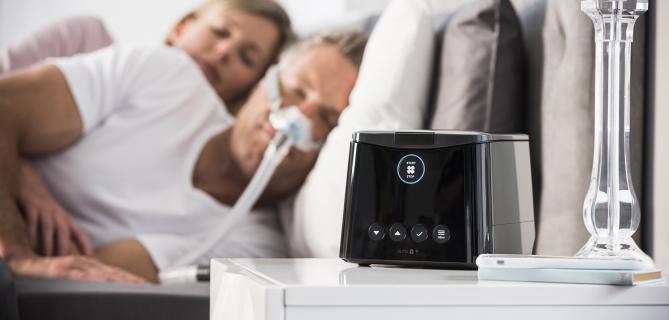
So, just like with hypertension, get along and see your doctor if you tick the same boxes that I did. I sleep with a c-pap machine these days. It took a little bit of getting used to but my sleep is so much better now – and so is my wife’s.
She still frequently feels like she wants to kill me, but that is another story…